Vrstvy ArchiMate
Šesť vrstiev a tri aspekty. Spolu umiestnia každý typ prvku v jazyku, čo znamená, že tá mriežka nie je zhrnutím ArchiMate - je väčšinou ArchiMate.
9 min čítaniaArchiMate 42 z 5
Krátka odpoveď
- Šesť vrstiev a tri aspekty. Mriežka, ktorú tvoria, umiestni takmer každý typ prvku v jazyku - je teda väčšinou ArchiMate, nie jeho zhrnutím.
- Jadrom sú podniková, aplikačná a technologická vrstva. Stratégia stojí nad nimi, fyzická rozširuje technológiu, implementácia pokrýva program medzi dvoma stavmi.
- Aktívna štruktúra, správanie, pasívna štruktúra: kto, čo sa deje a s čím sa to deje.
- Vrstvy sa spájajú cez služby. Aplikačný komponent je vec, ktorá robí prácu; aplikačná služba je to, čo ponúka navonok.
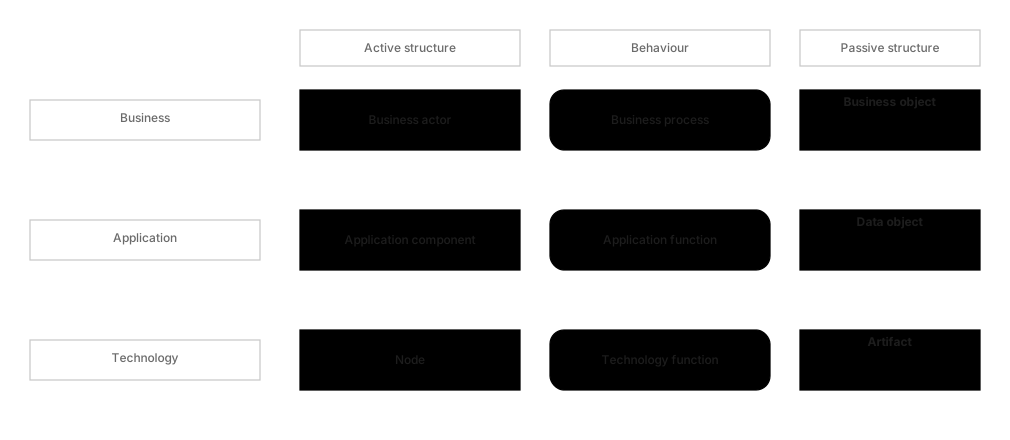
01Prečo je to mriežka#
Väčšina jazykov vám podá zoznam typov prvkov na zapamätanie. ArchiMate vám podá dva krátke zoznamy a násobenie. Šesť vrstiev, tri aspekty a sľub, že bunka znamená v každom riadku to isté: služba je prvok správania, ktorý nejaký iný prvok realizuje a ktorý slúži niečomu nad sebou, či už je to biznisová služba, aplikačná služba alebo technologická služba.
O tú pravidelnosť sa pri učení oplatí poriadne oprieť. Ak viete, čo je aplikačný komponent, viete, čo je uzol - tá istá bunka o vrstvu nižšie. Ak viete, že biznisový proces je priradený z biznisovej roly, viete, že technologický proces je priradený z uzla.
02Tri aspekty#
| Prvok | Notácia | Čo znamená |
|---|---|---|
| Aktívna štruktúra | obdĺžnik s ostrými rohmi | Niečo, čo vie veci robiť. Biznisový aktér a rola, aplikačný komponent, uzol, zariadenie. Vykonáva správanie; nikdy správaním nie je. |
| Správanie | zaoblený obdĺžnik | Niečo, čo sa robí. Proces, funkcia, interakcia, udalosť, služba. Tu bývajú slovesá. |
| Pasívna štruktúra | obdĺžnik s horným pruhom | Niečo, na čom správanie koná. Biznisový objekt, zmluva, dátový objekt, artefakt, materiál. |
Tie tri prichádzajú s gramatikou, ktorú sa oplatí naučiť ako vetu: aktívna štruktúra je priradená k správaniu, správanie pristupuje k pasívnej štruktúre, správanie slúži inému správaniu. Takmer každý dobre postavený ArchiMate model je táto veta opakovaná. Ak čiara vo vašom modeli nesedí ani na jeden z tých troch tvarov, pozrite sa na ňu druhýkrát.
03Tri jadrové vrstvy#
Biznis.Organizácia popísaná jej vlastnými slovami: aktéri a roly, ktoré hrajú, procesy, ktoré vedú, služby, ktoré konzumujú zákazníci, objekty, s ktorými tie procesy narábajú. Test, či sem niečo patrí, je, či by názov spoznal netechnický kolega. "Spracovanie poistných udalostí" prejde; ClaimServiceImpl nie.
Aplikácia. Softvér. Komponent je nasaditeľný, vymeniteľný kus softvéru - tá istá myšlienka ako UML komponent, len hrubšie zrnitý. Aplikačná služba je to, čo ten softvér ponúka biznisovej vrstve, pomenované ako schopnosť, nie ako endpoint: "registrácia poistnej udalosti", nie POST /claims.
Technológia.To, na čom softvér beží. Uzly, zariadenia, systémový softvér, siete a artefakty (binárky, image, súbory) na ne nasadené. V cloudovom prostredí býva uzol skôr službou alebo klastrom než strojom, a to je v poriadku - uzol je "výpočtový zdroj", ktorým spravovaná databáza rozhodne je.
04Stratégia, fyzická, implementácia#
Ďalšie tri vrstvy sa používajú menej často a oplatí sa vedieť, že existujú, lebo siahnuť po biznisovom procese, keď ste mysleli schopnosť, vyprodukuje model, ktorý si sám protirečí.
| Prvok | Notácia | Čo znamená |
|---|---|---|
| Stratégia | zdroj, schopnosť, postup, hodnotový tok | Čo organizácia dokáže, zámerne nezávisle od toho ako. "Spracovanie poistných udalostí" ako schopnosť; "vybavovanie poistných udalostí" je proces, ktorý ju práve teraz realizuje. Vymeniť proces necháva schopnosť stáť, a presne o to ide. |
| Fyzická | vybavenie, priestor, distribučná sieť, materiál | Technologická vrstva pre veci, ktoré nie sú počítače. Výrobné linky, sklady, vozidlá, surovina. V čisto softvérovom prostredí sa dá ignorovať, v logistike alebo energetike je nenahraditeľná. |
| Implementácia | pracovný balík, výstup, implementačná udalosť, plató, medzera | Ako sa dostanete zo súčasnej architektúry do zamýšľanej. Plató je stav, v ktorom architektúra spočíva; medzera je to, čo medzi dvoma z nich chýba. Toto je vrstva, ktorá z modelu spraví plán. |
Plató sú tá podceňovaná vec.Dve plató - "dnes" a "po migrácii" - z ktorých každé agreguje prvky platné v tom stave, vám dajú architektúru pred a po v jednom modeli namiesto dvoch súborov, ktoré sa rozídu. Medzera medzi nimi je plnohodnotný prvok, na ktorý viete zavesiť pracovné balíky.
05Motivácia prechádza všetkým#

Motivačné prvky nie sú vrstva pod technológiou - pripájajú sa k prvkom kdekoľvek v modeli a odpovedajú na otázku, na ktorú žiadna iná vrstva nevie: prečo má architektúra takýto tvar?
| Prvok | Notácia | Čo znamená |
|---|---|---|
| Zainteresovaný | rola so záujmom | Niekto, koho názor na architektúru je dôležitý. Obvykle rola. |
| Hnací faktor | symbol volantu | Niečo, čo vytvára tlak na zmenu. Náklady, regulácia, konkurencia. |
| Hodnotenie | symbol lupy | Zistenie o hnacom faktore. Dôkaz, s dátumom a konkrétny. |
| Cieľ | symbol terča | Zamýšľaný koncový stav, vyslovený tak, aby sa dalo povedať, či ste ho dosiahli. |
| Výsledok | zasiahnutý terč | Skutočne dosiahnutý výsledok. Minulý čas cieľa. |
| Požiadavka | Niečo, čo systém musí robiť, aby realizoval cieľ. Realizácia je vzťah, ktorý tie dve spája. | |
| Princíp | ten istý symbol ako požiadavka | Pravidlo, ktoré platí pre celú architektúru, nie pre jeden systém. |
| Obmedzenie | opäť ten istý symbol | Obmedzenie toho, ako sa smie cieľ realizovať, nie toho, čím je. |
Vplyv je vzťah, ktorý používa len motivácia, a je zámerne slabší než ostatné: hovorí, že zdroj cieľ ovplyvňuje, bez tvrdenia o tom, ako veľmi alebo ktorým smerom. Môže niesť +, - alebo váhu, a práve tak poviete, že jeden cieľ hnaciemu faktoru pomáha a druhý mu škodí.
06Koľko z toho použiť#
Siahnite po ňom, keď
- Biznis, aplikácie a technológiu - tieto tri potrebuje takmer každý model
- Motiváciu, hneď ako sa niekto o pol roka opýta prečo
- Stratégiu, keď je reč o schopnostiach, nie o systémoch
- Implementáciu, keď je výstupom plán a nie momentka
Siahnite po niečom inom, keď
- Fyzickú, ak organizácia nehýbe aj atómami, nielen bitmi
- Všetky vrstvy naraz v jednom pohľade - radšej rozdeľte podľa hľadiska
- Stratégiu ako synonymum biznisu - schopnosť nie je proces
- Motiváciu ako miesto na nalepenie dokumentu s požiadavkami
Prvý použiteľný model býva tri vrstvy a hŕstka motivačných prvkov. Ďalšie tri vrstvy sú tu vtedy, keď ich otázka potrebuje, a model, ktorý používa všetkých šesť, je buď naozaj veľký podnik, alebo model, ktorý nikto neudrží.
Po jednom riadku na každé
- 01Šesť vrstiev krát tri aspekty umiestni každý typ prvku v jazyku.
- 02Aktívna štruktúra koná, správanie sa vykonáva, na pasívnej štruktúre sa koná.
- 03Ostré rohy, zaoblené rohy a horný pruh sú tri obrysy, ktoré hovoria, ktorý z nich.
- 04Služba je správanie - zaoblený box - nie komponent, ktorý ju ponúka.
- 05Stratégia je schopnosť, biznis je proces; sú to zámerne rozdielne vrstvy.
- 06Motivácia sa pripája kdekoľvek a je jedinou vrstvou, ktorá zaznamenáva prečo.
07Časté otázky#
Aké sú vrstvy ArchiMate?
Stratégia, podnik, aplikácia, technológia, fyzická vrstva a implementácia s migráciou. Podniková, aplikačná a technologická sú jadrom, ktoré používa väčšina modelov. Stratégia stojí nad nimi, fyzická vrstva rozširuje technológiu o zariadenia a materiál a implementácia pokrýva program, ktorý vás dostane z jedného stavu do druhého.
Aké sú tri aspekty ArchiMate?
Aktívna štruktúra, správanie a pasívna štruktúra: kto, čo sa deje a s čím sa to deje. Skrížené s vrstvami tvoria mriežku, ktorá umiestni takmer každý typ prvku v jazyku - a práve preto je tá mriežka väčšinou ArchiMate, a nie jeho zhrnutím.
Kam patria motivačné prvky?
Pretínajú všetky vrstvy, namiesto toho, aby sedeli v jednej. Zainteresovaná strana, hnacia sila, hodnotenie, cieľ, výsledok, princíp, požiadavka a obmedzenie odpovedajú na to, prečo je architektúra taká, aká je, a môžu sa pripojiť k prvkom v ktorejkoľvek vrstve.
Aký je rozdiel medzi aplikačným komponentom a aplikačnou službou?
Komponent je aktívna štruktúra: vec, ktorá existuje a robí prácu. Služba je správanie vystavené niekomu inému: to, čo komponent ponúka navonok. Vrstvy sa navzájom spájajú cez služby, takže správne rozlíšiť tieto dve veci je to, čo drží vrstvený pohľad čitateľný.
V tejto sérii
- 01Čo je ArchiMate
- 02Vrstvy a aspekty
- 03Vzťahy
- 04Hľadiská
- 05ArchiMate pomocou AI
Súvisiace články
Základy
Prehľad notácie
Prax modelovania
Diagramy štruktúry
Prax modelovania