Ako nakresliť UML diagram tried
Päť krokov v poradí, ktoré funguje: nájdite podstatné mená, nakreslite čiary, rozhodnite násobnosti, potom atribúty a nakoniec operácie - a skončite, keď diagram odpovedá na otázku.
7 min čítaniaUML 2.5.16 z 35
Krátka odpoveď
- Triedy, potom vzťahy, potom násobnosti, potom atribúty a nakoniec operácie. Atribúty vyzerajú ako začiatok a sú tým najhorším.
- Podstatné meno sa stane triedou, keď má identitu, meniaci sa stav a vlastnú životnosť. Farba alebo suma je atribút.
- Hotový je vtedy, keď odpovedá na otázku, kvôli ktorej vznikol, a každý vzťah na ňom nesie násobnosť.
- Nie vtedy, keď sú na ňom všetky triedy, a nie vtedy, keď sú vymenované všetky atribúty - do oboch stavov sa diagram dostane bez toho, aby na čokoľvek odpovedal.
01Krok jeden a dva: podstatné mená, potom čiary#
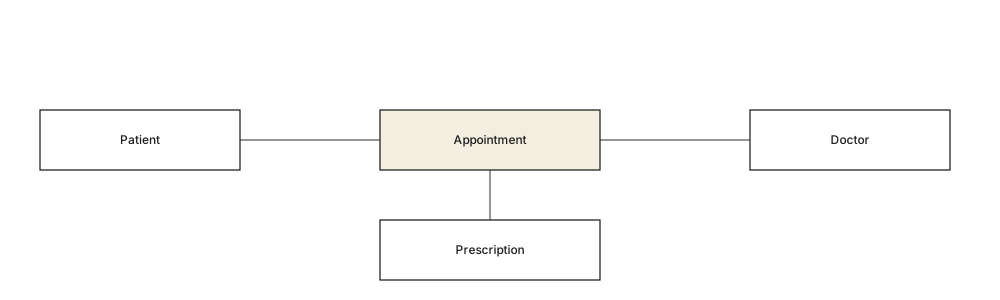
Krok jeden je zapísať, ako sa doména popisuje nahlas, a podčiarknuť podstatné mená."Pacient si dohodne termín u lekára a lekár môže vystaviť predpis" dá hneď štyroch kandidátov. Nechajte si tie, ktoré majú tri vlastnosti: identitu (dva z nich sa dajú rozlíšiť), stav, ktorý sa v čase mení, a vlastnú životnosť. Podstatné meno, ktoré neprejde ani jednou - farba, suma, stav - je atribútom niečoho iného.
Krok dva je jedna čiara na každú vetu, ktorú o doméne viete povedať. Nie na databázový join a nie na volanie metódy: čiara znamená, že tie dve triedy o sebe vedia v biznisovom zmysle. Diagram vyššie je tam, kde sa to končí, a už teraz sa oplatí položiť ho pred niekoho, kto doménu pozná, lebo spor, ktorý chcete, je o tom, či predpis patrí k termínu alebo k pacientovi - a ten spor je dostupný teraz, skôr než sa napísal jediný atribút.
02Krok tri: násobnosti, skôr než čokoľvek iné#
Každá čiara dostane na oboch koncoch číslo skôr, než sa pridá jediný atribút. Toto je krok, ktorý ľudia vynechávajú, a ten, ktorý sa vyplatí, lebo násobnosť je rozhodnutie o tom, čo systém pripúšťa, a atribút je detail, ktorý z toho vyplýva.
Každý koniec prečítajte ako vetu a povedzte ju nahlas. "Jeden pacient má nula alebo viac termínov" - v poriadku. "Jeden termín má presne jedného pacienta" - v poriadku, a oplatí sa to overiť, lebo ambulancia, ktorá niekedy objedná celú rodinu, vám práve povedala opak. Tri otázky, ktoré si položte na každom konci, sú: môže to byť nula, môže to byť viac než jeden a mení sa to v zlý deň?
Potom vyberte druh vzťahu a agonizovať sa oplatí len nad dvoma rozhodnutiami. Maže sa časť spolu s celkom - ak áno, kompozícia. Drží niečo rodičovský typ bez toho, aby mu záležalo na podtype - ak áno, generalizácia. Všetko ostatné je obyčajná asociácia a vypracované príklady ukazujú oba tie súdy v akcii.
03Kroky štyri a päť: atribúty, operácie a zastavenie#

Atribúty prichádzajú štvrté a každý musí mať zdroj. Ak neviete povedať, odkiaľ hodnota pochádza - z formulára, z iného systému, z výpočtu - je to dohad, a dohady sú to, čo spôsobí, že model prestane sedieť na vec, ktorú popisuje. Typy sa oplatí písať: startsAt: Instant vyrieši spor, ktorý startsAt: Date necháva otvorený.
Operácie prichádzajú piate a väčšina tried nedostane žiadnu. Operácia patrí na triedu vtedy, keď to správanie naozaj potrebuje jej vlastný stav - cancel() potrebuje stav termínu, takže tam patrí. Čokoľvek, čo na svoju prácu potrebuje tri ďalšie objekty, je služba, a dať to sem je spôsob, akým sa doménový model ticho zmení na diagram kódu namiesto diagramu domény.
Potom zastavte. Dokončený diagram vyššie má štyri triedy a odpovedá na otázku; pridať Clinic, Room, Invoice a Insurer by ho spravilo úplnejším a menej užitočným. Ak treba odpovedať na druhú otázku, nakreslite nad tým istým modelom druhý pohľad - na to pohľady sú.
Po jednom riadku na každé
- 01Podstatné mená s identitou, meniacim sa stavom a vlastnou životnosťou sa stanú triedami. Zvyšok sú atribúty.
- 02Čiary kreslite skôr než atribúty a ukážte tú škaredú verziu - je to tá, ktorú ľudia opravujú.
- 03Násobnosti rozhodnite tretie, nahlas, s otázkou, či každý koniec môže byť nula alebo viac než jeden.
- 04Každý atribút potrebuje zdroj. Typy vyriešia spory, ktoré názvy nechávajú otvorené.
- 05Zastavte, keď je otázka zodpovedaná, nie keď je systém celý nakreslený.
04Časté otázky#
Ako sa rozhodnúť, čo sa stane triedou?
Vezmite podstatné mená z toho, ako sa doména opisuje nahlas, a nechajte tie, ktoré majú identitu, meniaci sa stav a vlastnú životnosť. Podstatné meno, ktoré je vždy len hodnotou niečoho iného, ako farba alebo suma, je atribút, nie trieda.
V akom poradí kresliť diagram tried?
Triedy, potom vzťahy, potom násobnosti, potom atribúty a nakoniec operácie. Atribúty sa zdajú byť samozrejmým začiatkom a sú tým najhorším, pretože práve ich najskôr zahodíte, keď vás vzťahy donútia prehodnotiť, čo kam patrí.
Kedy je diagram tried hotový?
Keď odpovedá na otázku, kvôli ktorej vznikol, a každý vzťah na ňom nesie násobnosť. Nie vtedy, keď sú na ňom všetky triedy systému, a nie vtedy, keď sú vymenované všetky atribúty - do oboch týchto stavov sa diagram dokáže dostať bez toho, aby na čokoľvek odpovedal.
V tejto sérii
- 01Čo je UML?
- 02Symboly UML
- 03Výber diagramu
- 04Diagramy tried
- 05Príklady diagramov tried
- 06Ako nakresliť diagram tried
- 07Symboly diagramu tried
- 08Sekvenčné diagramy
- 09Príklady sekvenčných diagramov
- 10Ako nakresliť sekvenčný diagram
- 11Diagramy prípadov použitia
- 12Príklady prípadov použitia
- 13Diagramy aktivít
- 14Príklady aktivít
- 15Stavové diagramy
- 16Príklady stavových diagramov
- 17Diagramy komponentov
- 18Príklady komponentov
- 19Kreslenie diagramu komponentov
- 20Symboly komponentov
- 21Diagramy nasadenia
- 22Príklady nasadenia
- 23Diagramy objektov
- 24Diagramy balíkov
- 25Diagramy zloženej štruktúry
- 26Komunikačné diagramy
- 27Sekvenčný vs komunikačný
- 28Časové diagramy
- 29Diagramy prehľadu interakcií
- 30Diagramy profilov
- 31UML pomocou AI
- 32Príklad e-shopu
- 33Príklad banky
- 34Príklad mikroslužieb
- 35Príklad AWS
Súvisiace články
Diagramy štruktúry
Diagramy štruktúry
Prehľad notácie
Prax modelovania
Prax modelovania
Diagramy správania